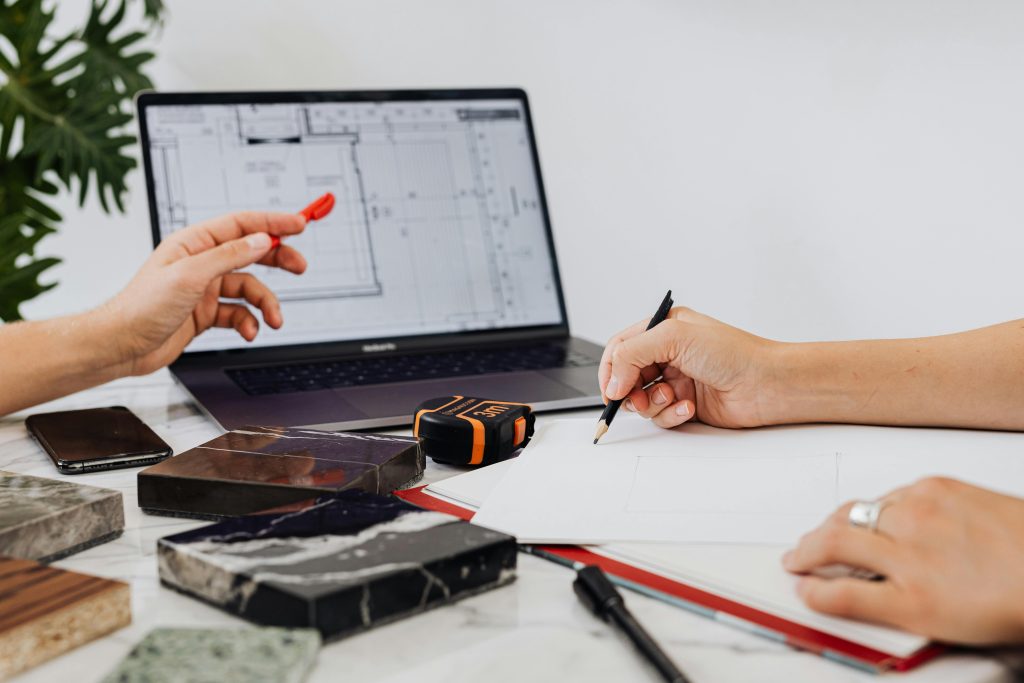
Interior design planning is the foundation of creating spaces that are not only visually appealing but also practical and comfortable. Whether it is a home, office, or commercial space, good interior design improves lifestyle quality, enhances productivity, and reflects personal taste.
A well-planned interior is not just about decoration—it is about space utilization, lighting balance, color harmony, and functionality working together in a unified design.
Understanding Space Planning and Layout Optimization
The first step in interior design planning is understanding the space you are working with. Every room has its own dimensions, structure, and limitations, and effective design begins with making the best use of what is available.
Space planning involves arranging furniture, decor, and functional zones in a way that improves movement and usability. For example, in a living room, seating should be arranged to encourage conversation while leaving enough walking space.
It is important to identify focal points in each room. A focal point could be a window view, a fireplace, or a feature wall. Designing around this focal point helps create visual balance.
Another key aspect is zoning. Open spaces can be divided into functional areas such as dining, working, and relaxing zones without using physical walls. Rugs, lighting, and furniture placement are commonly used to define these zones.
Proper layout planning ensures that even small spaces feel open, organized, and efficient.
Choosing Color Schemes and Material Combinations
Color plays a powerful role in interior design because it influences mood, perception, and energy levels within a space. Choosing the right color scheme is essential for creating the desired atmosphere.
Neutral colors like white, beige, and grey are often used as base tones because they create a calm and flexible foundation. Accent colors can then be added to bring personality and contrast.
Warm colors such as red, orange, and yellow create energy and vibrancy, making them suitable for social areas like living rooms or dining spaces. Cool colors like blue and green create calmness, making them ideal for bedrooms and relaxation areas.
Material selection is equally important. Wood adds warmth and natural texture, while glass creates a modern and open feel. Metal elements bring a contemporary and industrial touch.
Combining different materials thoughtfully adds depth and character to interiors. However, balance is key—too many contrasting materials can make a space feel chaotic.
Lighting also interacts with color and materials. Natural light enhances colors differently compared to artificial lighting, so both should be considered during planning.
Furniture Selection and Functional Design Elements
Furniture is one of the most important components of interior design. It defines usability, comfort, and visual appeal within a space.
When selecting furniture, functionality should always come first. Every piece should serve a purpose and fit the scale of the room. Oversized furniture can make small rooms feel cramped, while too-small furniture can make large spaces feel empty.
Multi-functional furniture is especially useful in modern homes. Items like sofa beds, storage ottomans, and expandable tables help maximize space efficiency.
Ergonomics is another key factor. Furniture should support comfort and posture, especially in workspaces or study areas. Poorly designed furniture can lead to discomfort and reduced productivity.
Placement also matters as much as selection. Furniture should be arranged to allow smooth movement and natural flow between different areas of the room.
Decorative elements such as rugs, cushions, artwork, and plants enhance the overall aesthetic. These elements should complement the main design theme without overwhelming the space.
Lighting, Ambience, and Final Design Touches
Lighting is one of the most powerful tools in interior design. It affects mood, highlights design elements, and improves functionality.
A well-designed space uses three types of lighting: ambient, task, and accent lighting. Ambient lighting provides overall illumination, task lighting focuses on specific activities like reading or cooking, and accent lighting highlights decorative features.
Natural lighting should be maximized wherever possible. Large windows, mirrors, and open layouts help bring in more daylight, making spaces feel larger and more inviting.
Artificial lighting should be layered to create depth and flexibility. Adjustable lighting systems allow users to change brightness based on time and activity.
Ambience is created by combining lighting, color, texture, and layout into a unified experience. Even small details like curtains, wall art, and indoor plants contribute to the overall mood.
Final touches in interior design often include personalization. Adding personal items, artwork, or custom decor makes a space feel unique and lived-in.
The goal of interior design planning is to create harmony between beauty and functionality. A well-designed space should not only look good but also support daily life comfortably.