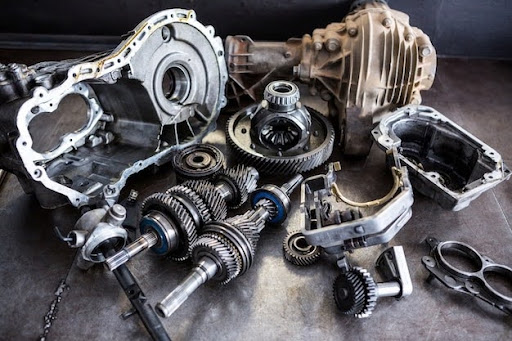
A vehicle’s gearbox plays an essential role in transferring engine power to the wheels and helping the car operate at different speeds. When it develops a problem, drivers may notice unusual noises, difficult gear changes, or reduced performance. Recognizing these warning signs early can help prevent further damage and unexpected breakdowns. Professional gearbox repair begins with identifying the symptoms and finding their actual cause before the problem becomes more serious.
1. Difficulty Changing Gears
One common warning sign is difficulty selecting or changing gears. Drivers may experience resistance when moving the gearstick, grinding sounds, or gears that do not engage properly.
In manual vehicles, these symptoms can involve the clutch, synchronizers, linkage, or internal gearbox components. Automatic vehicles may experience delayed or rough gear changes for different reasons.
2. Unusual Grinding, Whining, or Clunking Noises
Gearbox repair may be necessary when strange sounds come from the transmission area. Grinding during gear changes may indicate clutch or internal transmission problems, while whining or clunking can have several possible causes.
Worn bearings, inadequate lubrication, and other drivetrain faults may produce similar noises. If the sound continues or becomes louder, arrange a professional inspection to identify the underlying problem and prevent further damage.
3. Gears Slipping Unexpectedly
Gear slipping occurs when the transmission fails to maintain the expected connection between engine power and vehicle movement.
You might notice the engine speed increasing without a matching increase in road speed, or the vehicle unexpectedly losing power. In manual cars, the selected gear may disengage unexpectedly.
4. Transmission Fluid Leaks
Fluid leaks can affect gearbox lubrication, cooling, and, in many automatic transmissions, hydraulic operation. If you notice oily spots beneath your parked vehicle, have the fluid identified rather than assuming it comes from the gearbox.
Transmission fluid colour varies by vehicle and fluid type, so colour alone cannot confirm the source. A technician can locate the leak, inspect seals and connections, and check the fluid level according to the manufacturer’s procedure.
5. Burning Smells or Warning Lights
A persistent burning smell may indicate overheating, overheated transmission fluid, a clutch problem, or another mechanical issue. Dashboard warning lights may also signal a transmission or powertrain fault.
Neither symptom identifies one specific failure, so professional diagnosis is necessary. If a burning smell occurs with smoke, severe slipping, or a temperature warning, stop somewhere safe and switch off the vehicle.
6. Delayed Engagement and Poor Performance
A noticeable delay when selecting Drive or Reverse, sudden jerking, vibration during gear changes, or poor acceleration may indicate a transmission-related issue. However, engine faults, electronic controls, mounts, and other drivetrain components can create similar symptoms.
A gearbox specialist may use diagnostic scans, fluid inspections, road testing, and additional mechanical checks to determine the cause.
Final Thoughts
Recognizing gearbox problems early can help vehicle owners make informed maintenance decisions and reduce the risk of unexpected breakdowns. Difficulty changing gears, unusual noises, slipping, fluid leaks, burning smells, warning lights, and delayed engagement are all reasons to arrange a professional inspection. These symptoms do not automatically mean the gearbox needs rebuilding or replacement, because several other mechanical or electronic faults can produce similar warning signs.